There are plenty of ways to get involved, depending on your interests, skills, and how much time you can give. If you’re wondering where to start, here are ten main areas of volunteering worth exploring.
#1 Environmental Volunteering
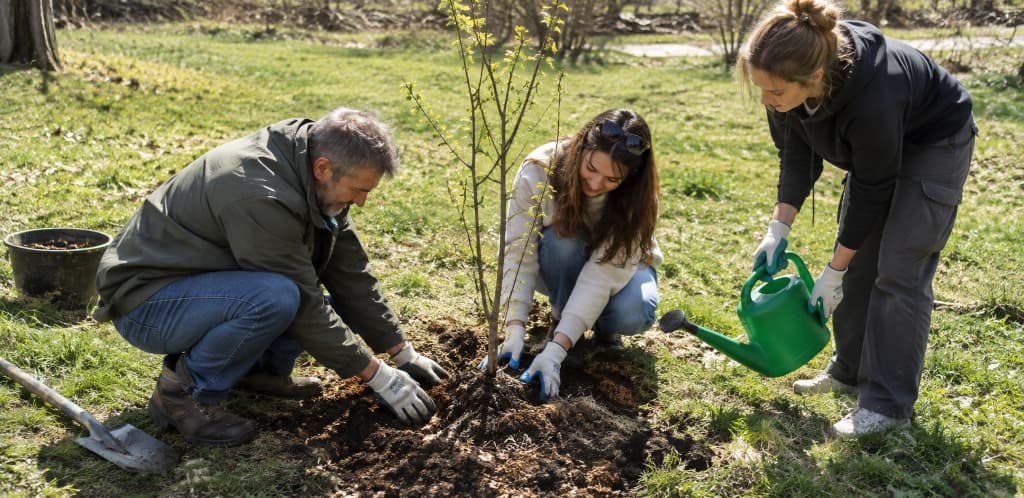
One of the easiest ways to get involved in your local community is through activities such as tree planting, beach cleaning or natural habitats restoration.
By joining a local environmental group, you can take part in a community cleanup, or participate in international initiatives such as Let’s Do It World.
You don’t need special training for most activities. Sometimes, all you need is a free afternoon and a willingness to get your hands dirty.
#2 Animal Welfare
Animal shelters often need extra hands to care for abandoned and rescued animals. You may walk dogs, socialize cats, clean enclosures, help with feeding, or assist with adoption events.
If you can’t visit a shelter regularly, there are other options. You could foster an animal temporarily, help a rescue organization with social media, or collect food and supplies.
Organizations such as the RSPCA and local animal rescue groups offer different ways to support animal welfare. The best place to start is usually a shelter in your area.
#3 Helping People in Need
Not every form of support requires money or professional skills. Sometimes, being there when someone needs help is already valuable.
You can help homeless people by distributing food, preparing meals, collecting clothing, or assisting families who have lost their homes.
Food banks and community kitchens are often looking for volunteers to sort donations, pack food parcels, and serve meals. You can also help older people who live alone by visiting them, running errands, or simply spending time talking with them.
#4 Disaster Relief
Floods, earthquakes, wildfires, and other disasters can leave entire communities without homes, food, or access to basic services. Relief organizations need volunteers to help with recovery efforts, distribute supplies, sort donations, and support affected families.
Groups such as the Red Cross and Red Crescent often coordinate disaster response and community preparedness programs.
However, disaster zones are not places to volunteer without preparation. Some roles require training, and uncoordinated visits can make rescue work harder. If you want to help, contact an established organization and find out what is actually needed.
#5 Education and Mentoring
If you have knowledge or experience to share, education is another area to consider. You can tutor children, help adults improve their language skills, teach basic computer skills, or mentor young people who are preparing for work.
You don’t necessarily need to be a professional teacher. Depending on the program, you might help someone practice conversational English, assist with homework, or share your experience in a particular career.
Organizations such as the United Nations Volunteers program and local community initiatives offer different opportunities, including some remote roles.
#6 Healthcare and Blood Donation
Healthcare volunteering includes much more than working directly with patients. Depending on local requirements, volunteers may help with hospital activities, organize health awareness campaigns, support patients’ families, or assist charities that provide medical services.
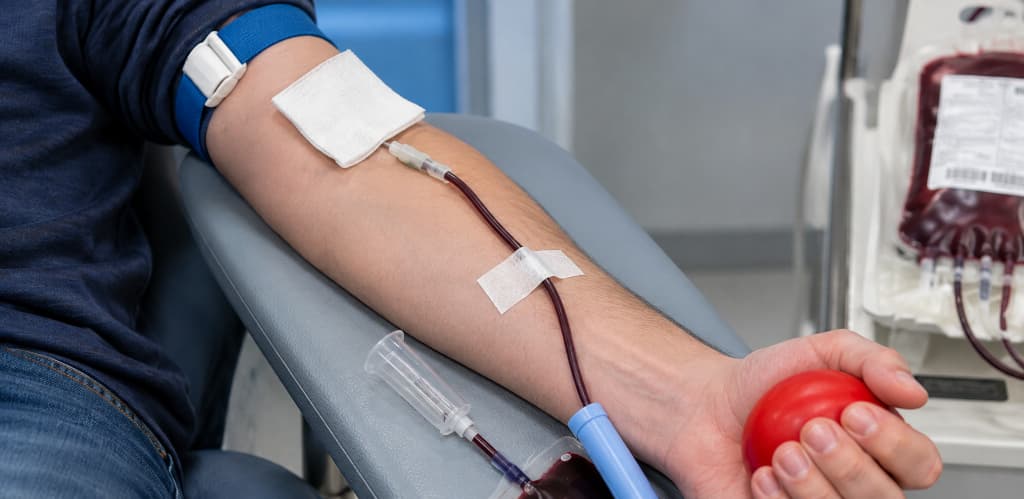
Blood donation is another practical way to contribute. Eligible donors can help maintain supplies needed for surgeries, cancer treatment, emergencies, and other medical care.
If you are interested in healthcare volunteering, check the requirements of your local hospitals and recognized medical organizations. Some roles require professional qualifications, while others are open to the general public.
#7 Humanitarian Aid and Refugee Support
People forced to leave their homes because of war, persecution, or other crises often need help settling into unfamiliar communities. Volunteers can assist with language practice, job applications, paperwork, childcare programs, and the distribution of essential supplies.
Organizations such as the UN Refugee Agency (UNHCR) and local refugee support groups work with displaced people in different parts of the world.
You can also help by organizing donation drives or supporting community programs. In many cases, practical assistance with everyday tasks can make the transition to a new country a little easier.
#8 Community Development
Community volunteering focuses on improving the places where people live. This can mean renovating public spaces, repairing community buildings, organizing neighborhood events, or helping local projects get off the ground.
Some volunteers paint school walls or playgrounds. Others help build community gardens, organize cultural activities, or collect books for libraries.
If you prefer working with your hands, this might be a good fit. If you’re more comfortable planning or organizing, community groups also need people who can coordinate events, manage donations, and communicate with residents.
#9 Sports and Arts Volunteering
You may coach community sports teams, help organize charity runs, assist at local tournaments, or lead art and music workshops. You could also help run activities for children in hospitals, community centers, or underserved areas. Depending on the role, helping with registration, equipment, event organization, or creative activities may be just as useful.
#10 Digital and Skills-Based Volunteering
Many nonprofit organizations need people who can help with website development, graphic design, translation, writing, accounting, marketing, or data management.
If you already have professional skills, you may be able to put them to use. It’s worth checking the specific requirements, deadlines, and time commitments before applying.